All Guides
Original pheasant guides with linked research and professional guidance.
AI-assisted educational summaries • Credited sources and evidence limits in every guide • Not veterinary advice
Pheasant feed and water: start with the right ration
What veterinary guidance says about complete diets, life stages and water access.
Temperature concerns: observations before assumptions
Use poultry research carefully without inventing a universal pheasant temperature.
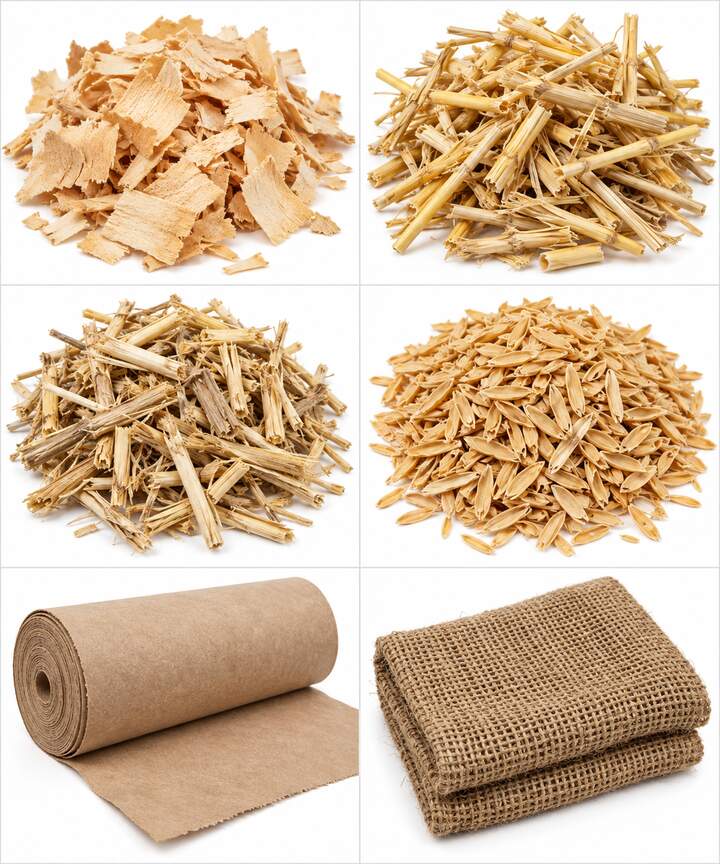
Wet litter and ammonia: understand the connection
Veterinary explanations of litter moisture and air quality, with clear limits on sensor readings.
Feather damage and pecking: investigate, don’t guess
Separate observed injury from its possible causes and understand the evidence for enrichment.
Perches and foraging: what pheasant experiments found
A readable look at two pheasant studies and why release results are not barn performance promises.
Biosecurity for pheasant keepers: make the routine clear
Official animal-health guidance translated into questions for your own flock plan.
When pheasants seem unwell: observe and contact your vet
Recognize official warning signs and prepare information without attempting a diagnosis.