
barn setup
Wet litter and ammonia: understand the connection
Veterinary explanations of litter moisture and air quality, with clear limits on sensor readings.
Hatchez • AI-assisted editorial guide · Sources checked: 2026-10-13
About this guide. Original AI-assisted summaries with linked references. Hatchez's article has not been reviewed by a veterinarian. Cited researchers and organizations have not endorsed it.
Research findings, professional guidance and editorial discussion questions are labeled separately. The references explain which species and setting each source covers.
Why wet litter matters
Jerry’s veterinary toxicology reference explains that bacteria in wet poultry litter can generate ammonia from uric acid. Reducing ventilation to conserve heat can allow moisture and ammonia to accumulate. The reference describes respiratory and eye injury at elevated exposures; it is not evidence for a safe pheasant alarm threshold. [1]
Ventilation and bedding belong in the same conversation
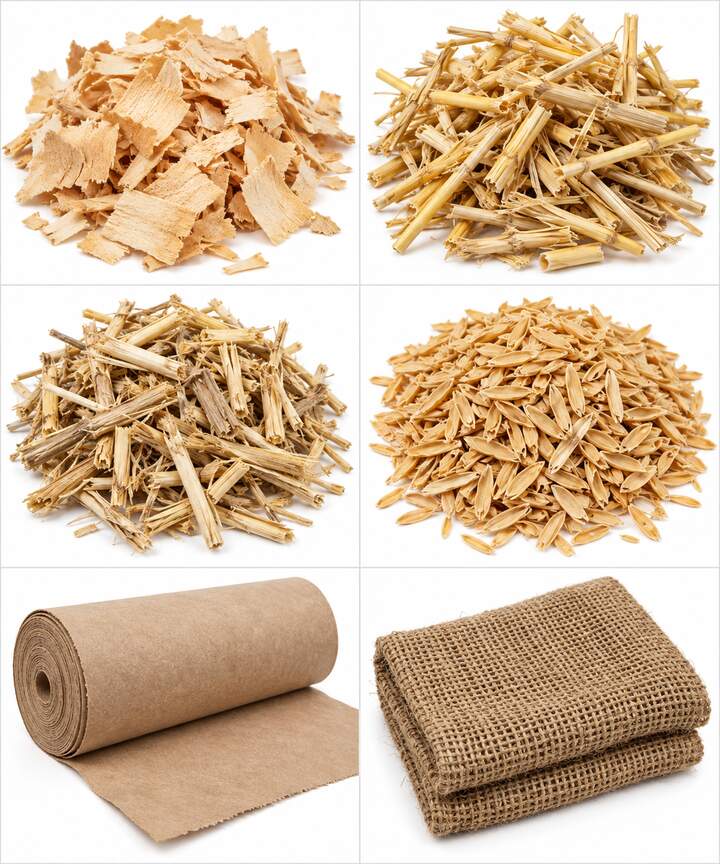
Sato’s poultry management guidance links wet litter and high ammonia to welfare problems, and describes ventilation as a way to remove bedding moisture. This is broader poultry guidance. It does not mean a particular bedding brand or fan setting will solve every pheasant barn problem. [2]
Editorial discussion aid
Questions for your barn adviser
Where is the wet area? Has a drinker changed or leaked? What ventilation settings changed? Where was the air reading taken? Ask your adviser to assess the complete system and your monitoring equipment. A displayed number should not replace examination of birds.
Birds with signs need professional assessment
APHIS identifies breathing difficulty and unexpected deaths as reasons to report illness promptly. Seek veterinary advice rather than assuming an air-quality problem explains the signs. [3]
References and evidence limits
Numbered links beside the text open the source directly. Source material is credited below; wording in this guide is an original summary.
[1] Carmen Jerry, DVM, DACVP, DACPV; reviewed by Jenny Nicholds, DVM, DACPV (2024).
Poisonings in PoultryMerck Veterinary Manual · Veterinarian-authored, reviewed reference
Scope: Poultry toxicology, including ammonia; exposure values are not presented here as safe pheasant limits.
[2] Yuko Sato, DVM, DACPV; reviewed by David E. Swayne, DVM, PhD, DACVP, DACPV (2024).
Management of Backyard PoultryMerck Veterinary Manual · Veterinarian-authored, reviewed reference
Scope: General backyard poultry; includes gamebird feeding advice. Chicken housing and intake figures are not pheasant targets.
[3] USDA Animal and Plant Health Inspection Service (APHIS) (2026).
How To Spot Sickness — Defend the FlockOfficial animal-health guidance · Government animal-health guidance; not a diagnostic test
Scope: Poultry warning signs, not a diagnosis. Some example photographs show chicken-specific features.